
Why Butter Quality Matters in Professional Kitchens
Professional kitchens are only as good as the ingredients they use, and hence they have high standards for what they work with on an everyday basis. Some specialist ingredients will come and go depending on the menu on a given day or week, but items such as butter are a staple ingredient in a professional kitchen, so chefs will only accept the very best.
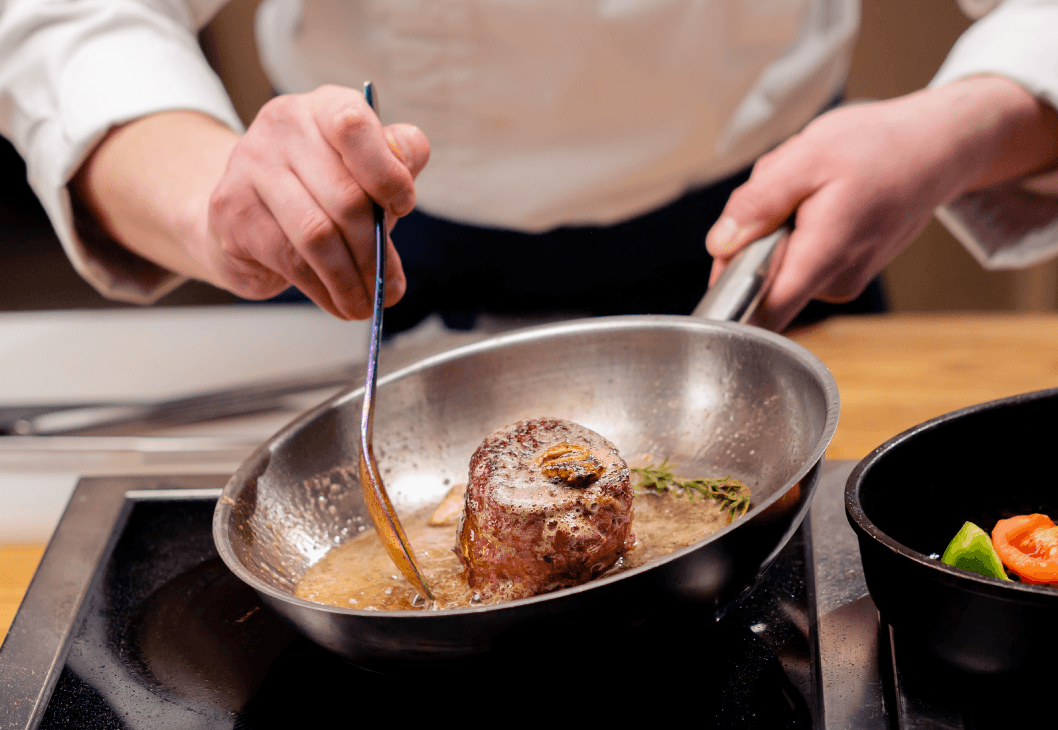
Butter is a foundational ingredient in a number of dishes prepared in a professional kitchen. It is versatile and adaptable, and is central to how flavour, texture and finish is developed. Professional chefs tend to use unsalted butter in their dishes in order to have complete control over flavour, but after that, they use butter for basting and frying and regularly in sauces, pastries and desserts. And when quality and consistency is the key, they insist on high-quality butter, and here we will explain why.
The importance of butter quality in professional kitchens
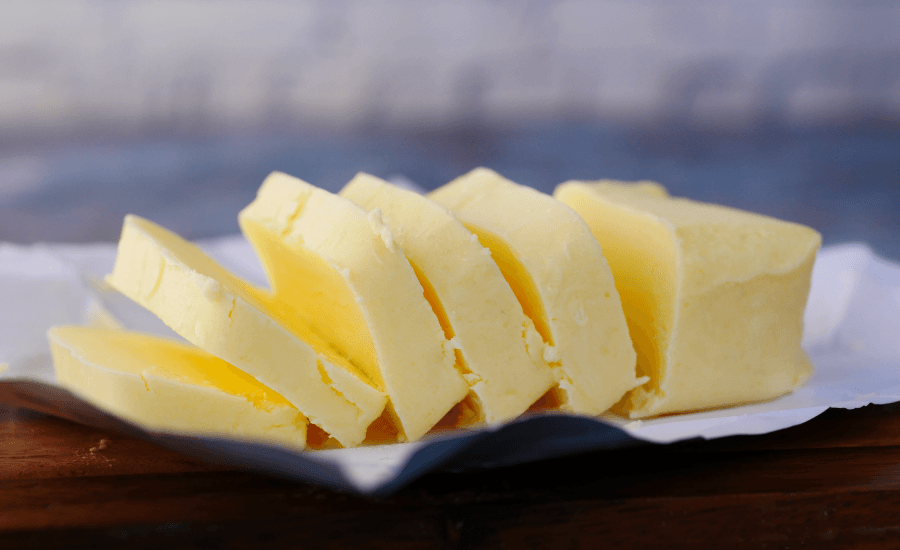
The most important feature of high-quality butter is the fat content. This is usually a minimum of 82% fat and is important because it also means less water content as a result. Fundamentally, this fat-to-water ratio gives a chef more control and more consistency, and allows them to develop more unique flavours. Let’s look at this in more detail:
- Fat and water content
Higher fat and lower water content in a butter effectively means that a chef can produce better textures. Water turns to steam in the oven and this results in dense and soggy products if water content is higher, which is not what you want in products like breads, cakes and pastries. Less water content also prevents pan sauces from splitting, and allows the chef to produce a smoother and more velvety texture to a sauce.
Lamination and flakiness are key features of a good pastry, and high fat content enables this as air pockets are produced in the oven which creates better layering. This results in pastries that are lighter and crispier, and biscuits or cookies which have a more delicate crumb.
- Pliability
Butter with a higher fat content manages to maintain its structure better across a wider temperature range. This means it doesn’t melt too quickly, which is essential when folding butter sheets for croissants and other doughs. This pliability means you can work the butter more thoroughly and produce a better dough, which is ideal for the lamination you require in good quality pastries.
- Flavour profiles
Good quality butters are cultured using live bacterial cultures during the fermentation process. The lactic acid yielded via culturing produces a more unique flavour profile which is sharp, deeper, tangier and more complex. This more distinctive taste will elevate a sauce or a pastry and give it a more standout flavour.
High-quality French butters contain a minimum of 82% fat and hence can benefit a professional kitchen with unique flavours and more control over texture, and on a consistent basis. So check out our range of French butters at Douceur de France.


- CO-OPERATIVE FARMING
- N°1 French DAIRY COOPERATIVE
- 10,600 farms
- Single BATCH TESTED
- TRADITIONAL French RECIPE
- 19,959 farmer-owners
GET IN TOUCH
We love to hear feedback on our butter. Join our kitchen or for partnering send us a message.
part of the SODIAAL group


Carefully crafted at our award winning plant in Clermont-Ferrand, which has been producing Traditional French butter since 1870.