
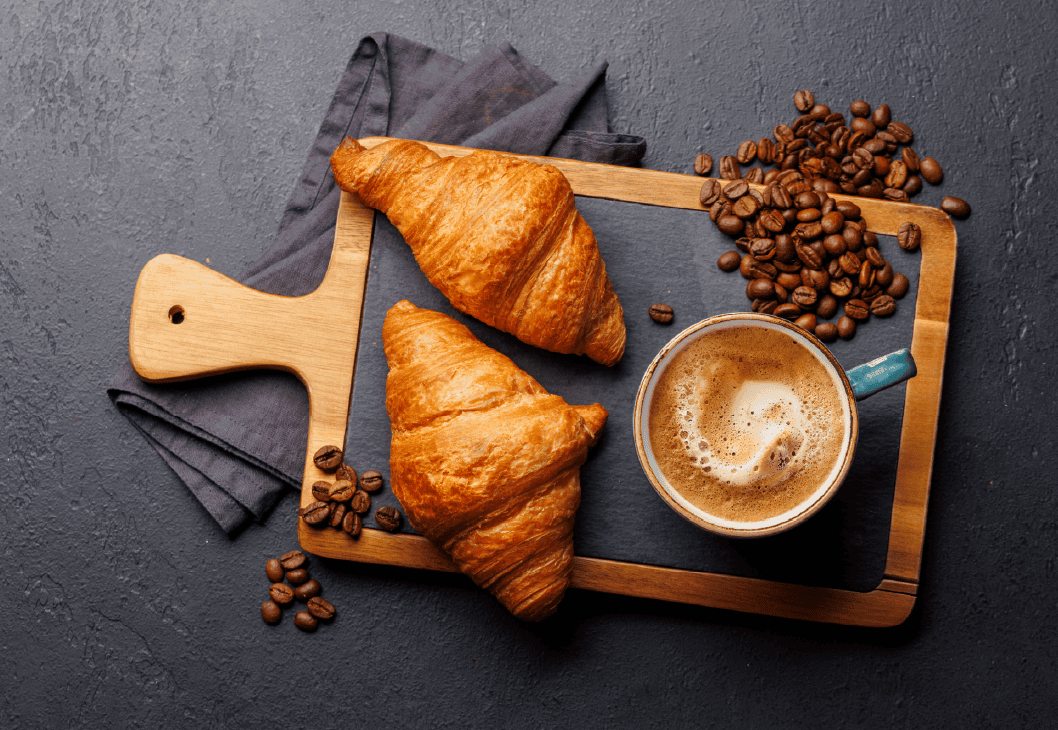
Why Pastry Chefs Prefer High-Quality Butter
The smell and taste of a fresh croissant straight from the oven can instantly transport you to the quiet backstreets of a quaint French town or to the rolling countryside of a remote rural village. An authentic French croissant has unique characteristics which require skill and knowledge to replicate, and many years of experience to master consistently. Knowing the process of making a perfect croissant is one thing but understanding the ingredients and how they each behave is just as important.
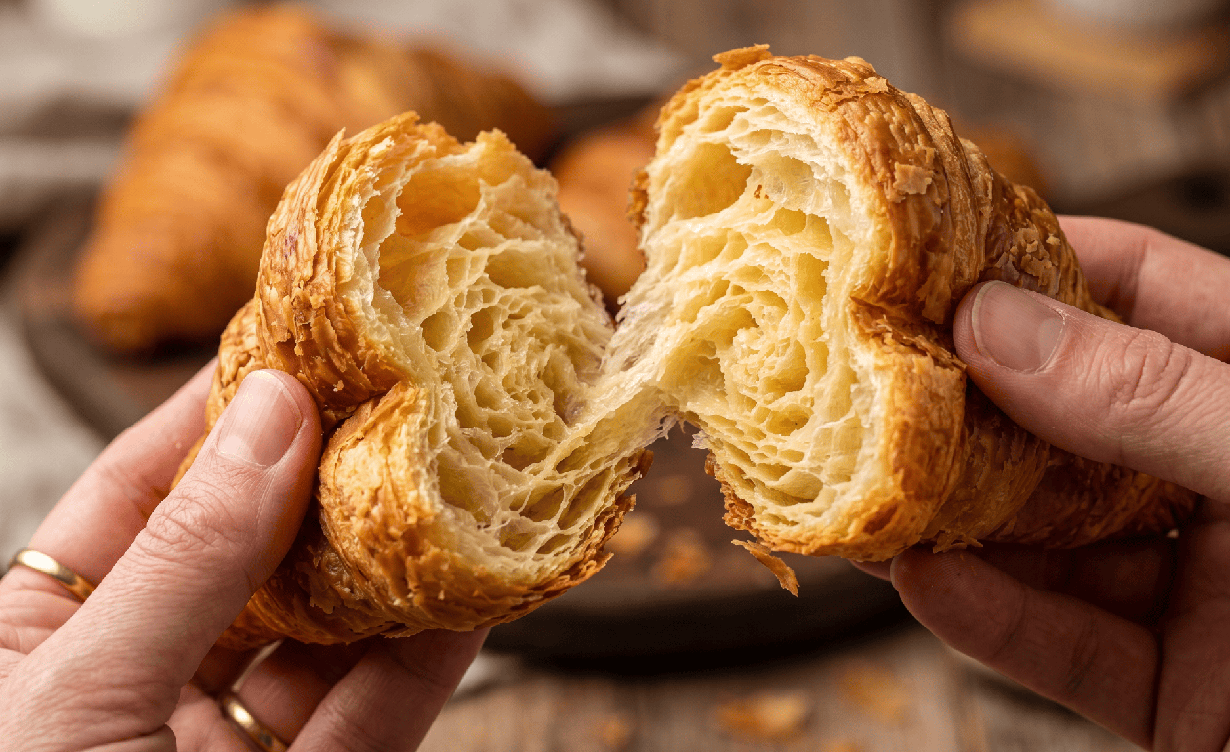
A perfect croissant should be rich in flavour, and light and flaky in texture, and it can be very hard to hit this combination with a degree of confidence. Many experienced chefs have never quite mastered it, and a big reason for this is knowing your ingredients and understanding that choosing the right butter is essential.
How to make the perfect croissant
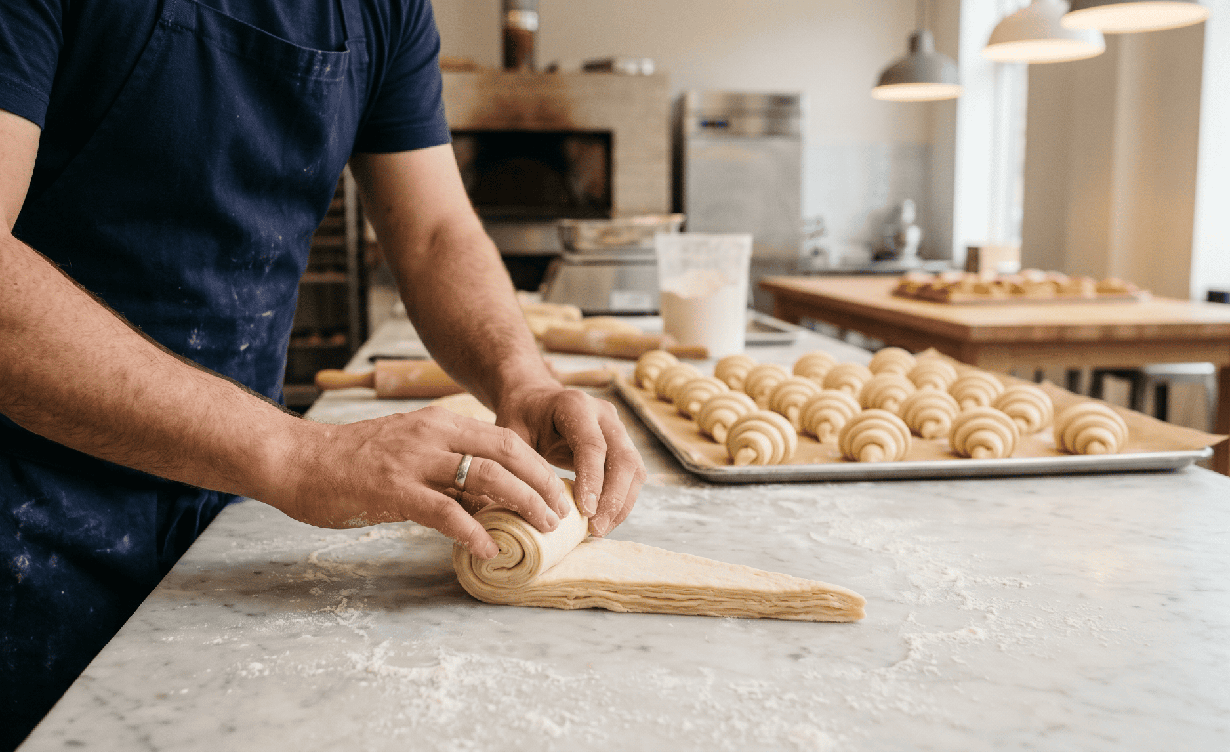
It is true that croissants are hard to make, but with the required attention to detail and using the right ingredients it is achievable. The basics of croissant-making involve:
- Making a dough – This is an enriched dough that should include flour, sugar, salt, yeast, milk and water.
- Lamination – This is the key stage where you introduce your butter. The butter needs to be rolled and folded into the dough multiple times in order to create thin and even layers. For this you need a butter that is soft enough to be workable, but firm enough to keep its shape. The ideal solution for this is a butter with a higher butterfat content. This allows you to create better separation in your layers and this will result in a more delicate pastry that is lighter and flakier.
- Shaping – The dough is rolled out, cut and shaped.
- Proofing – The shaped croissants should almost double in size when left at room temperature, but make sure the room is not too warm as the butter will melt. This, again, highlights the need for a butter that stays firm and maintains its shape.
- Baking – The croissants are baked at a high heat after being brushed with egg. The result should be a golden brown croissant that is flaky and crisp and full of intense flavour.
The best butter for making a perfect croissant
While the technique of making croissants is important, the key factor is your ingredients. Good quality flour is essential, as is using the right butter. You need to use a French-style butter with a higher butterfat content, so this should be 82% fat, rather than the standard 80% fat. This makes a significant difference as the higher fat content makes it easier to work with the butter when it is cold. The butter will keep its shape and make it easier to create separation and the distinct, flaky layers, because it is more pliable and won’t melt into the dough.
Typically, using unsalted French butter is better, so you can control the salt content and hence the flavour of your croissants.

- CO-OPERATIVE FARMING
- N°1 French DAIRY COOPERATIVE
- 10,600 farms
- Single BATCH TESTED
- TRADITIONAL French RECIPE
- 19,959 farmer-owners
GET IN TOUCH
We love to hear feedback on our butter. Join our kitchen or for partnering send us a message.
part of the SODIAAL group

Carefully crafted at our award winning plant in Clermont-Ferrand, which has been producing Traditional French butter since 1870.