
How to Store Butter Properly in Bakeries and Restaurants
Butter is an essential ingredient for bakeries and restaurants, and good quality butter will elevate products such as pastries, pies, cakes and cookies, as well as sauces and desserts. Any professional kitchen needs good quality ingredients, and important factors such as consistency and cost-effectiveness come into play when we consider storage.
Storage is important so that butter stays fresh and consistent, but also so that it complies with food safety standards and lasts long enough to give us good value for money. No kitchen can afford to use ingredients that have gone off, are unsafe or are wasted, so let’s look at how to store butter properly.
Storing butter in the fridge and freezer
- Where to store it – Store butter in the back of a fridge or at least the main section. This is where the temperature stays the most consistent. Storing butter in a door shelf leaves it exposed to temperature changes.
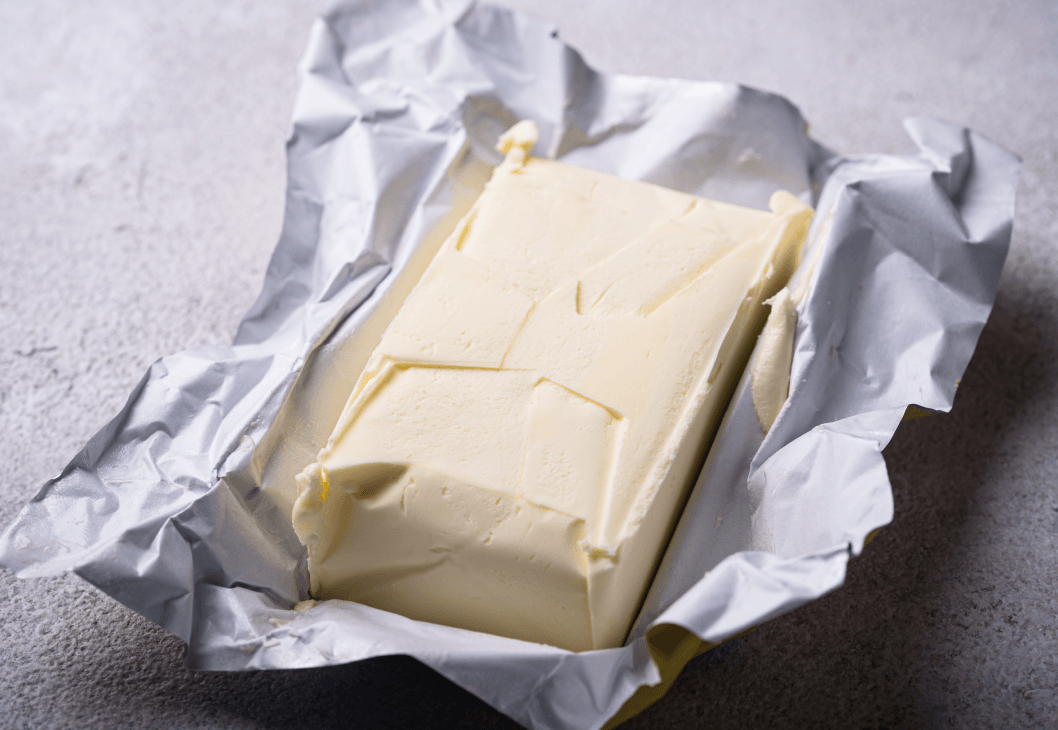
- Packaging – Much like cheese, you need to keep butter tightly wrapped in its original packaging, or in an airtight container. If exposed it will absorb strong odours from other items in a fridge.
- Shelf-life – Once a pack of butter has been opened, it should be used up within one week.
- Freezing – Butter can be frozen for up to nine months, although salted butter can be frozen for longer as the salt acts as a preservative. But make sure your butter is heavily wrapped and protected in both foil packaging and freezer bags. It also needs to be thoroughly thawed to room temperature before using, as you need it to have regular characteristics in terms of pliability and melting point.
- Labelling – Make sure you put a label on all open butter packs to record the date they were opened.
Using butter in a bakery or restaurant
- Amounts – Only remove from the fridge the amount of butter you will need for a shift or a service. Avoid taking butter in and out of the fridge as this doesn’t comply with food safety standards and will also impact on butter quality.
- Usage – Adopt a first-in-first-out policy and make sure you are using butter in date order.
- Temperature – Room temperature butter is essential for most baking applications, so give your butter time to warm up, but be careful when making pastries such as croissants. Here it is important that butter is cold and doesn’t melt too quickly. This creates the air pockets needed for good layering and a light, crisp texture.
- Coverage – Protect butter at room temperature by using a covered butter dish or stainless steel container. This maintains temperature and keeps the butter clean and fresh. The container you use should be washed at the end of each shift or service ready for the next use.
- Utensils – Avoid using the same utensil to scoop butter from a block.
- Discard – Any butter that is visibly contaminated, smells or tastes sour should be discarded immediately.
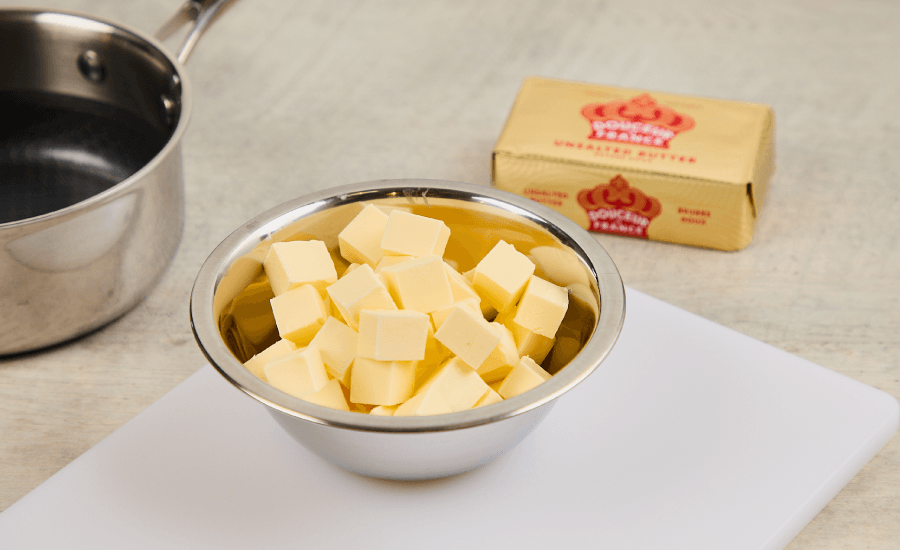
High-quality French butters are available from Douceur de France.


- CO-OPERATIVE FARMING
- N°1 French DAIRY COOPERATIVE
- 10,600 farms
- Single BATCH TESTED
- TRADITIONAL French RECIPE
- 19,959 farmer-owners
GET IN TOUCH
We love to hear feedback on our butter. Join our kitchen or for partnering send us a message.
part of the SODIAAL group


Carefully crafted at our award winning plant in Clermont-Ferrand, which has been producing Traditional French butter since 1870.