
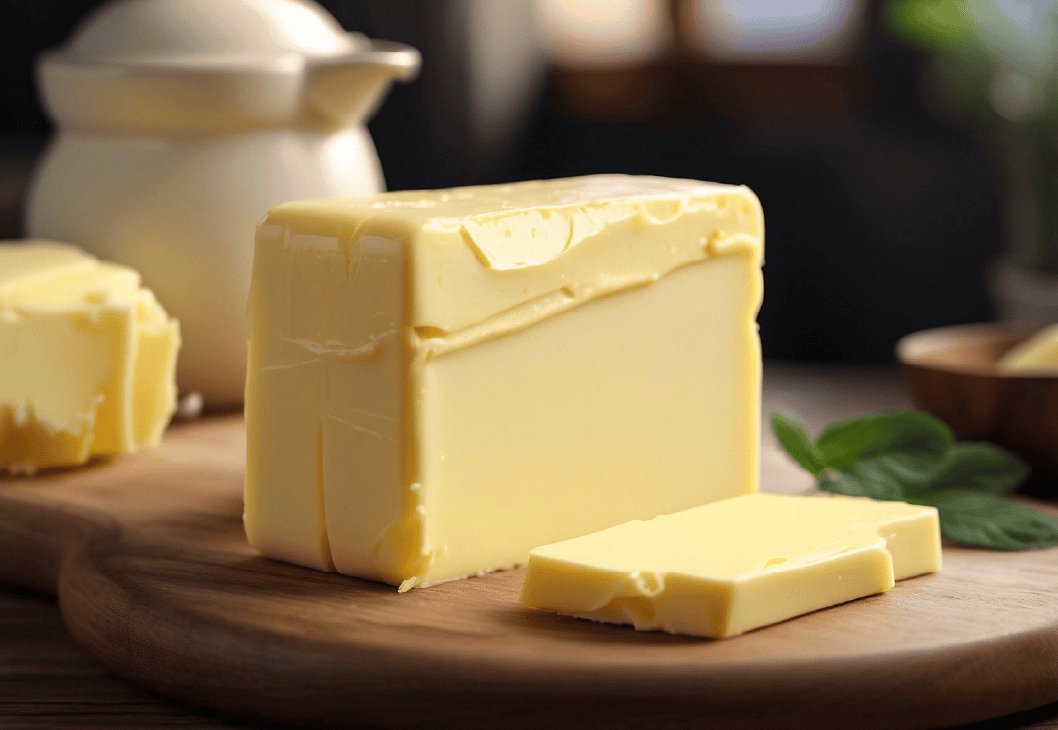
Why Pastry Chefs Prefer High-Quality Butter
Butter is an essential ingredient in baking, and particularly in creating French delicacies such as pastries and croissants, as well as cakes, cookies and tarts. Butter is a defining element which influences texture, flavour and consistency, and these are three elements a professional kitchen has to master. And the reason butter plays such a prominent role in baking is mainly down to its fat content, which impacts on flavour and texture and means there is a need for precision, and a need to understand the role of butterfat in baking.
The typical fat content of standard butter is around 80%, while French butter exceeds this and is usually found to have 82%. Although this extra 2% of butterfat content may seem minimal and inconsequential, it actually makes a profound difference in terms of quality, consistency and taste.
Extra butter fat content and how it affects the quality of your baking
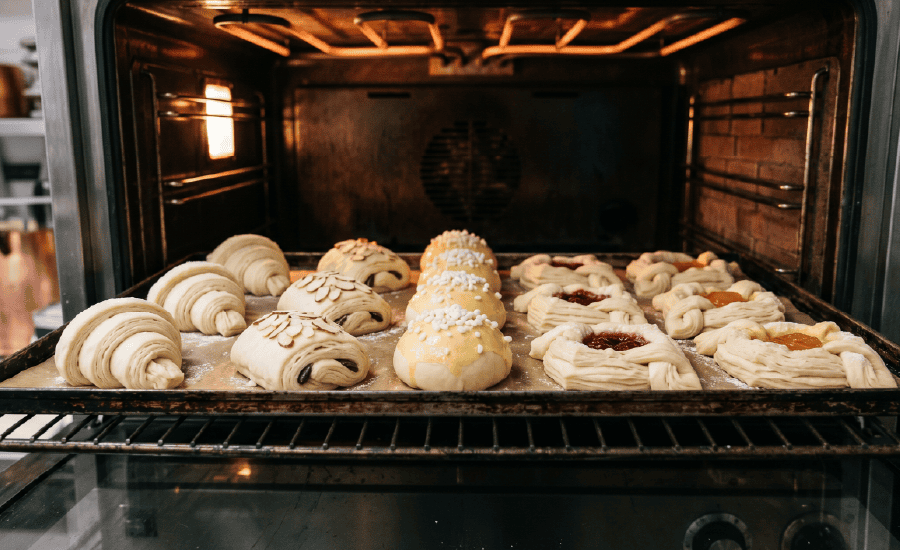
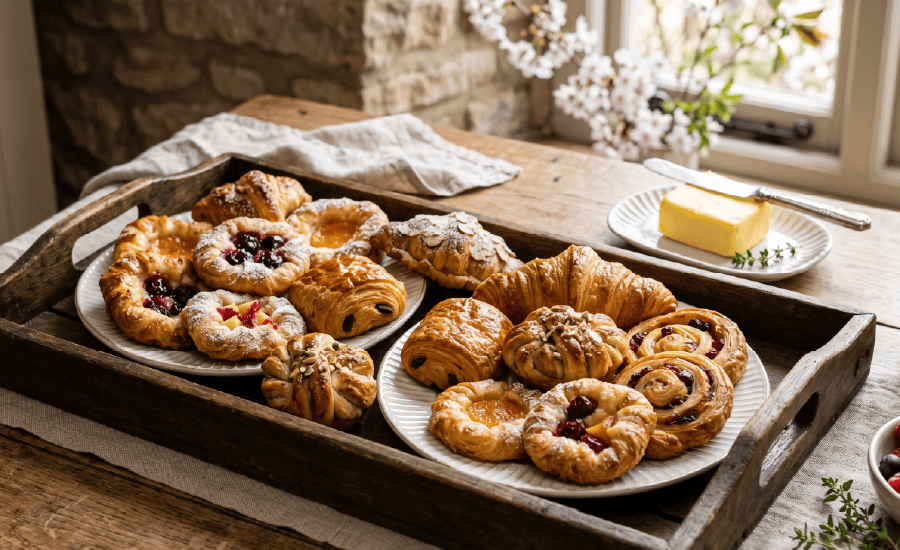
This extra 2% provides a creamier and more stable butter which a professional chef can do more with. It allows them to develop a more substantial dough as the butterfat content provides a butter which can withstand the intricate folding pressures required. This results in a laminated dough which is required for delicate pastries such as croissants and allows the chef to produce layered textures with better separation and a delicate crumb. A professional chef relies on consistent ingredients, so knowing how butter behaves and what will result, is essential.
When producing a laminating dough for a pastry, the chef needs the dough to be pliable but firm, ie. it is soft enough to work with, but stable enough to hold its shape. Extra butterfat percentage helps to achieve this as the butter keeps its shape and maintains this through the rolling and folding process. This allows for better defined and consistent products and essentially means you have elasticity in your dough, but also resilience, meaning the dough can be worked hard but won’t tear.
Quality baking products with extra butterfat French butter
Another by-product of this extra butterfat percentage is a reduction in water content. This helps to develop a lighter flakiness in a resulting product, which again is very good for light pastries which need a richer and more delicate mouthfeel. If the butter had less fat content and therefore more water content, it would disrupt the dough layers and it would be difficult to achieve this unique texture. The results would feel denser, heavier and more soggy.
The flavour profile of a butter with more fat content is also different. A perceptive palate can detect a taste of local landscapes in French butter, which lends the resulting pastry a more nuanced flavour which might incorporate the grasses, herbs and wildflowers the French dairy cows graze on. This provides baked products with a unique regional character and ensures professional chefs can produce something truly special with French butter.

- CO-OPERATIVE FARMING
- N°1 French DAIRY COOPERATIVE
- 10,600 farms
- Single BATCH TESTED
- TRADITIONAL French RECIPE
- 19,959 farmer-owners
GET IN TOUCH
We love to hear feedback on our butter. Join our kitchen or for partnering send us a message.
part of the SODIAAL group


Carefully crafted at our award winning plant in Clermont-Ferrand, which has been producing Traditional French butter since 1870.