
How Butter Improves Texture in Baked Goods
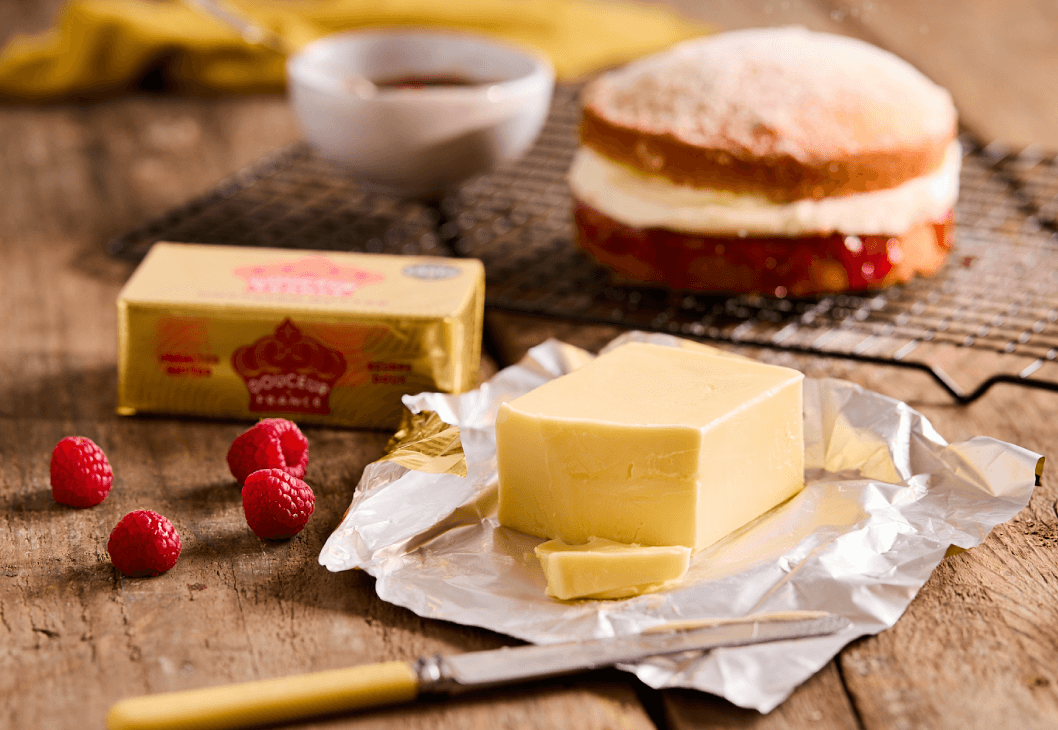
Professional chefs insist on using the best quality ingredients in their baking, and this includes butter. There are lots of variables to the composition of butter and how it is used, which have a heavy influence on how baked products turn out.
Here we have listed the key ways in which butter can be used to improve the texture of baked goods:
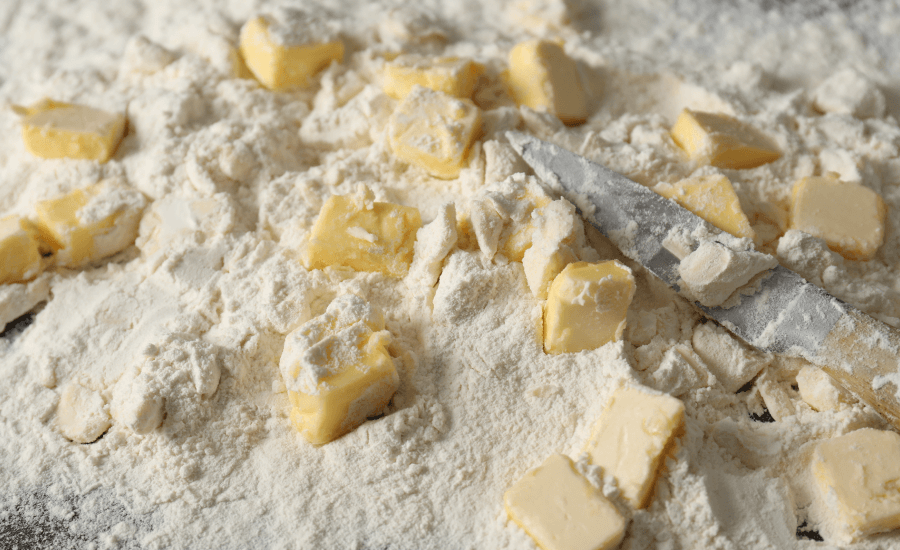
Temperature – Butter kept at room temperature mixes better with sugar and creates air pockets, which help to give baked products a lighter texture and more delicate crumb. Butter that melts too quickly, in comparison, can result in products that are dense and greasy.
Measurements – Using too much butter can affect consistency, while adding too much salt or using a salted butter rather than an unsalted butter, can impact heavily on taste and can also affect how a dough rises and what the resulting texture and structure is like.
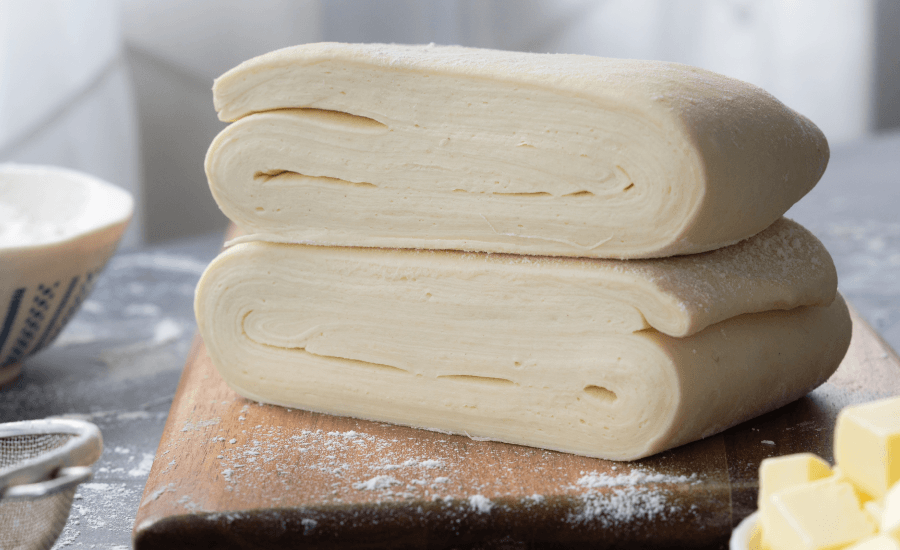
Fat content – High fat French-style butters usually have 82-85% fat content and therefore also contain less water. This delivers a richer taste but also improves tenderness and texture, particularly in processes such as lamination for pastries.
Leavening – The water content in high fat butter produces steam, which develops air pockets in the dough when it evaporates in the oven. This aeration process allows the baker to produce more even layering because the air gets trapped in these pockets and causes the dough to rise. This results in a lighter, crispier product for croissants, for example. This process is called leavening and is a direct result of butter being a mixture of fat and water, but also because butter is a solid fat when it hits the oven.
Using melted butter – If butter is fully melted in a dough and is already a liquid when it goes in the oven, it bypasses this aeration process completely. This results in products which will be much denser, chewier, heavier and with more moisture, which is not ideal for cakes, cookies or brownies, and certainly not for pastries.
Shortening – We can also see butter’s effect on texture in products such as Brioche. The higher fat content in French-style butters prevents gluten strands forming, which results in a softer and more tender texture. The alternative is like a baguette, which contains no fat and results in a crusty outside and a chewy inside. That is okay for a baguette, but not in pastries and most baked goods produced by a professional chef. ‘Shortening’ is the term which refers to the process of fat acting to shorten gluten strands, and hence why butter is known as a shortening agent. In the baking process, fat/butter coats flour and slows down the gluten formation, which results in a softer more pleasurable texture, as seen in a Brioche.
You can choose premium quality French butters for your baking processes from Douceur de France and use the information you have learnt here to improve texture.

- CO-OPERATIVE FARMING
- N°1 French DAIRY COOPERATIVE
- 10,600 farms
- Single BATCH TESTED
- TRADITIONAL French RECIPE
- 19,959 farmer-owners
GET IN TOUCH
We love to hear feedback on our butter. Join our kitchen or for partnering send us a message.
part of the SODIAAL group

Carefully crafted at our award winning plant in Clermont-Ferrand, which has been producing Traditional French butter since 1870.