Why Pastry Chefs Prefer High-Quality Butter
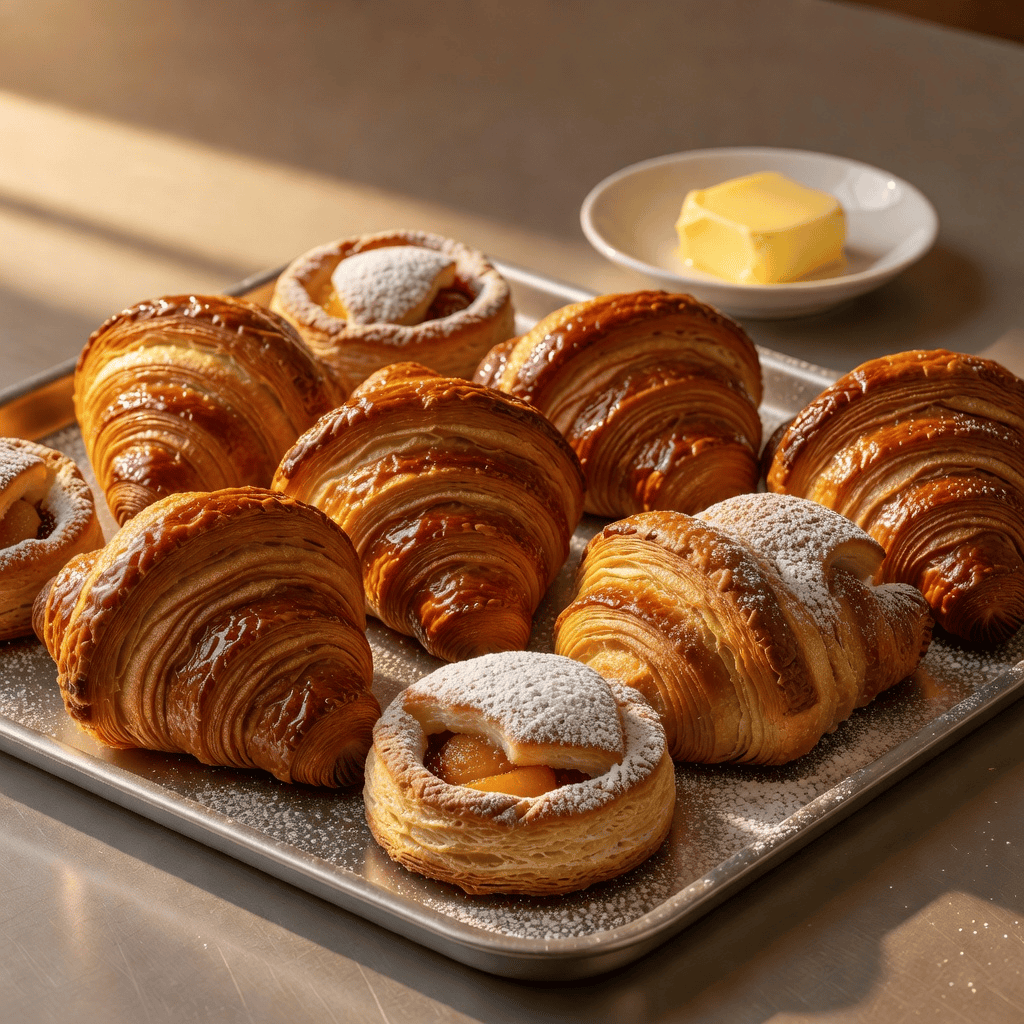
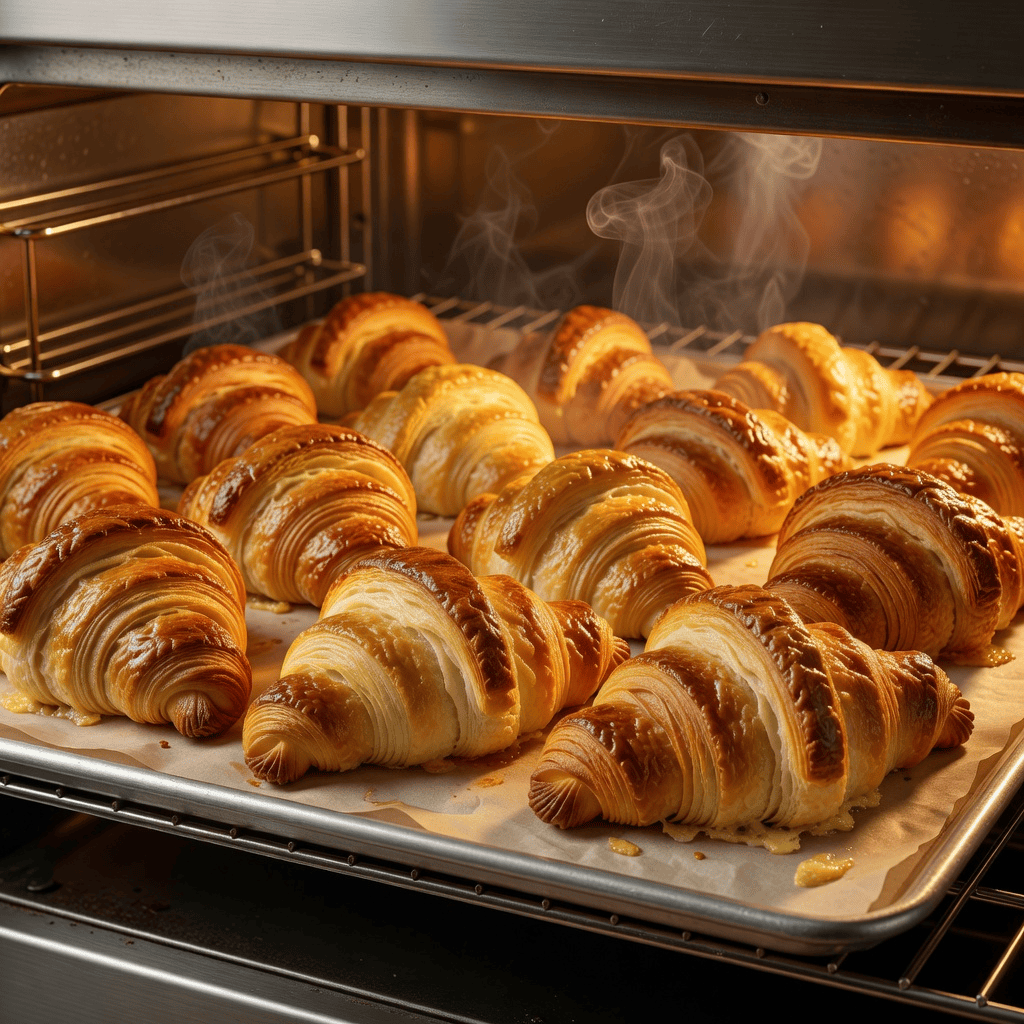
Croissants are a staple example of French cuisine. Delicate, tasty and unique. They represent the artistry that is so often present in French cooking, but they also represent an example of what can go wrong, because the subtle refinement of the croissant unfortunately means it is as easy to get wrong as it is to get right. And most of that is down to the butter that you use.
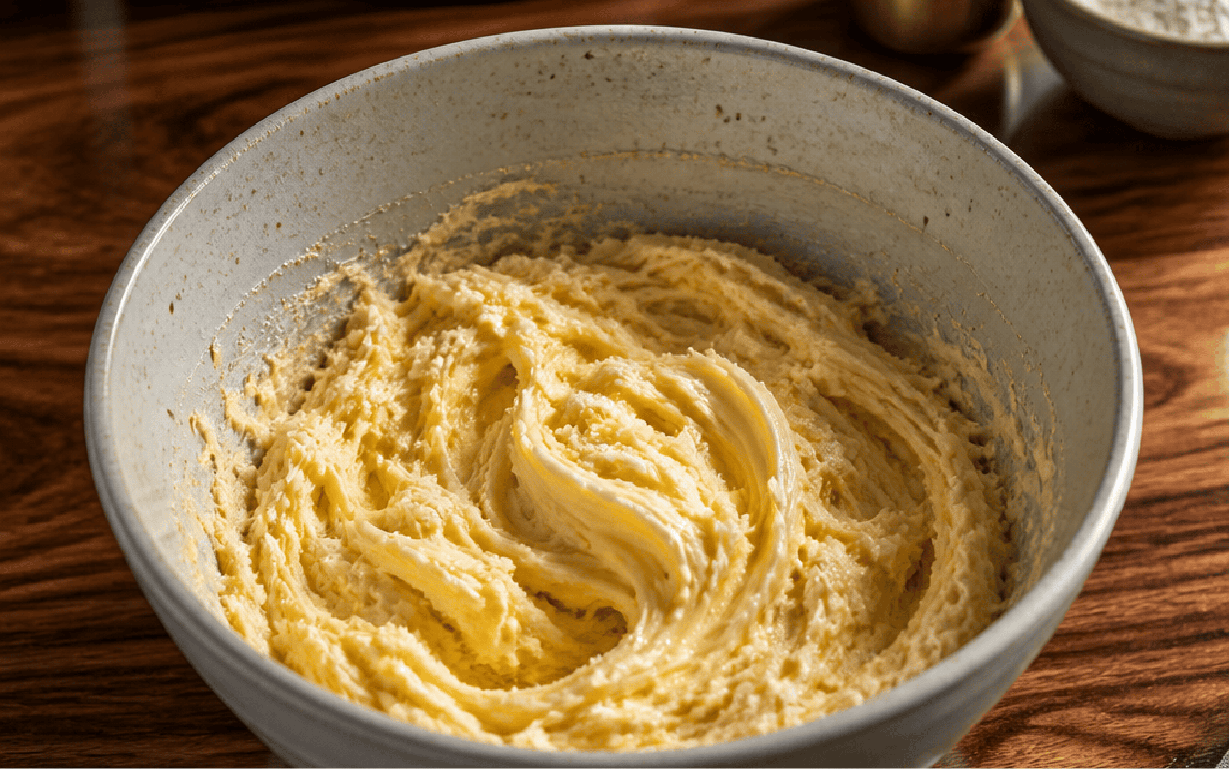
When making a croissant, it is important to have pliability in your butter so it is easier to work when cold. This comes from having less water content and a higher fat content, which is representative of most Franch butters. Therefore, the best butter to use for making croissants is a butter with 82% fat content. This is because you want the butter to be workable when cold and you don’t want the butter to get too warm as you mix it, or to melt too quickly. Being able to work the butter quickly keeps the butter suspended in the dough mix and results in you being able to create the idiosyncratic flakiness of a croissant as a result.
The benefits of using French butter
The benefits of French butter can therefore be summarised as:
- High fat content – Higher fat content is the main characteristic of French butter. This makes it more pliable when cold and easier to laminate into thin and consistent layers for delicate pastries. Laminating is labour-intensive and needs to be done quickly, so being able to do this without the butter warming up is beneficial. This high fat content also benefits the production of cookies and cakes, not just delicate pastries.
- Less water content – A lower water content produces less steam in the baking process. This means the results are more crisp and delicate, rather than dense and heavy.
- Cultured – French butter goes through a fermentation process which results in the butter being cultured. This provides it with a unique, more complex taste and aroma described as tangy and rich. Other butters can have a milder taste in comparison.
- Flavour – The unique taste produced by French butters also comes from using lactic bacteria. This also provides a richer aroma.
- Tradition – Butter is a protected treasure in France, with many varieties having AOP status. This certifies that the butter only comes from a specific origin and is made using protected and traditional production methods. This ensures quality and consistency, meaning a professional chef can rely on their ingredients and knows they are able to guarantee the outcome of what they are producing. This dependability is the foundation of French cuisine.
- Seasonal qualities – French butters have optimal production periods according to the season. This enables chefs to elevate certain dishes and customise menus at different times of the year, to truly get the most out of their ingredients.
Check out our range of French butters for yourself and see how you can make the perfect pastries, cookies and cakes, and definitely the perfect croissants.

- CO-OPERATIVE FARMING
- N°1 French DAIRY COOPERATIVE
- 10,600 farms
- Single BATCH TESTED
- TRADITIONAL French RECIPE
- 19,959 farmer-owners
GET IN TOUCH
We love to hear feedback on our butter. Join our kitchen or for partnering send us a message.
part of the SODIAAL group

Carefully crafted at our award winning plant in Clermont-Ferrand, which has been producing Traditional French butter since 1870.