Why Pastry Chefs Prefer High-Quality Butter
A professional chef needs supreme skills and knowledge in order to impress in the kitchen, and they need a creative mind to come up with new ideas and innovative ways to improve a menu. But a professional chef will live or die by the quality of their ingredients, and they are only as good as the ingredients they use. This covers every element of cooking and baking, from fruit and vegetables, to meat, fish, cheese and dairy products. And when it comes to dairy products, butter is perhaps the most influential ingredient a chef uses.
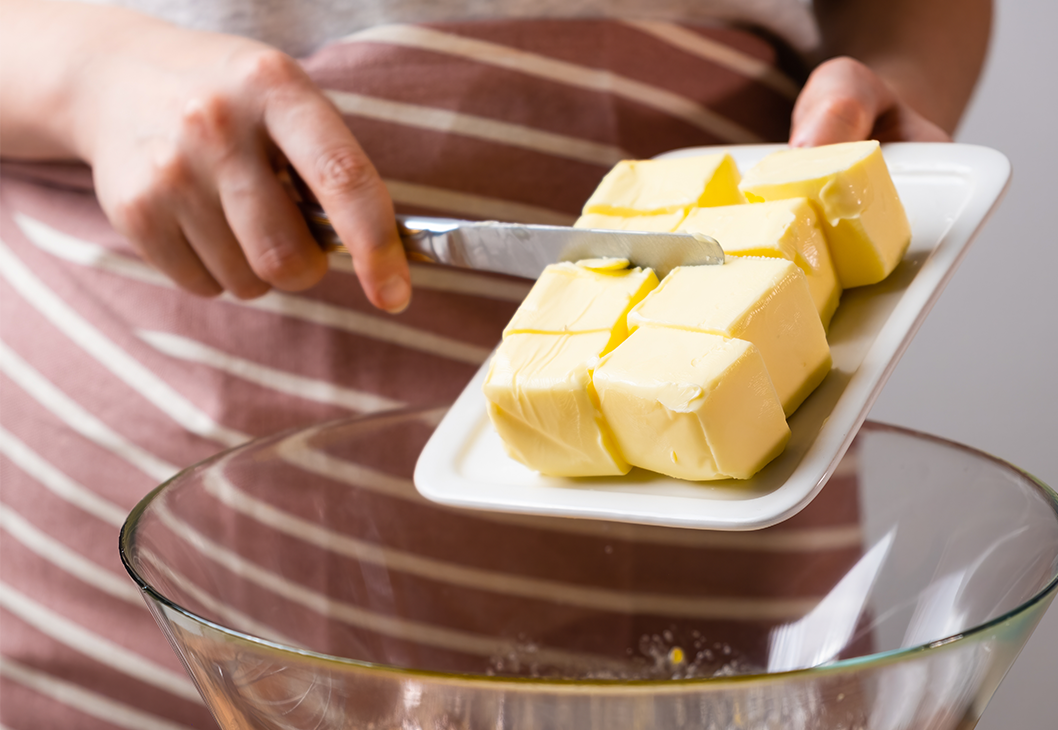
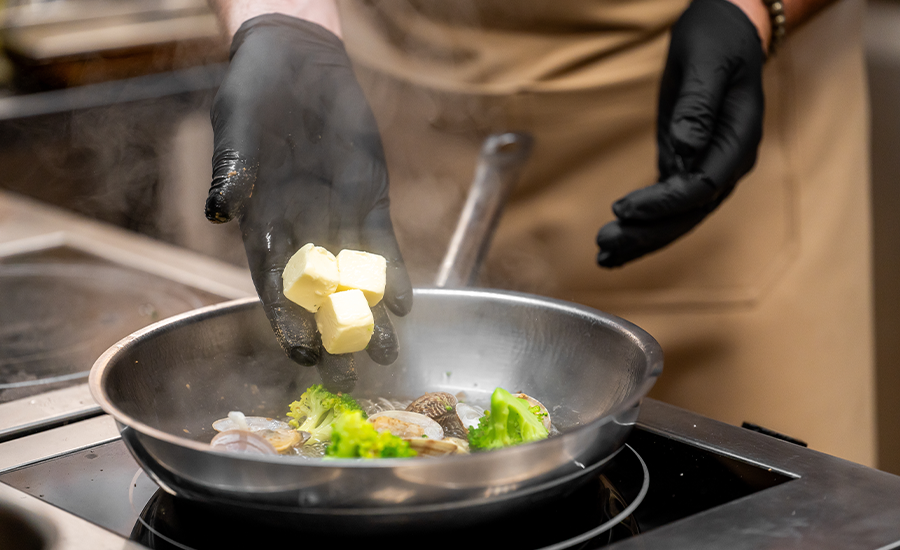
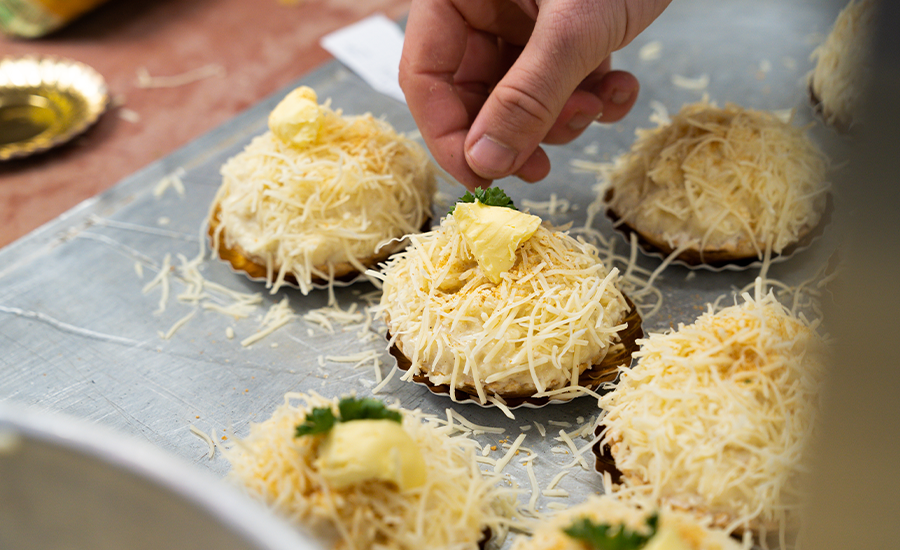
Butter is a very versatile ingredient and is widely used in a professional kitchen for cooking and baking, and common practices such as adding flavour, basting, thickening sauces, tenderising and adding texture and mouthfeel to a dish. Butter can be undervalued if you are not familiar with the practices of a professional kitchen, but inside that environment it is essential that a chef chooses the right butter. This is based on strict criteria:
- High fat content – Premium butters are recognised as having a higher butterfat content than standard butters, usually a minimum of 82% compared to 80%. This reduces the water content in the butter and gives the chef more control over elements such as crisp and flaky pastries, richer flavour, improved browning qualities, and creamier and more consistent sauces which don’t split.
- Fermented butter – Also known as ‘cultured’ butter, this is where the butter has added bacteria after pasteurisation which introduces lactic acid. This brings with it a more complex flavour profile which adds depth and richness to a dish, compared to the milder taste of other butters which is barely detectable.
- Cattle diet – A professional chef needs to consider the entire supply route for their butter and this starts with how cows are fed. The best French butters come from grass-fed cows in regions such as Normandy and Brittany. This adds more nutrients to the butter and a better colour, and also adds to the intensity of the flavour.
- Salt content – It is very rare that a chef will opt to use salted butter in a professional kitchen, as they like to have total control over a dish. Salt adds seasoning and impacts on flavour, and it can mask subtle elements of a dish, such as freshness. So chefs prefer unsalted butter, with which they can subsequently add salt as needed. It is common for chefs to reserve salted butter for tableside service, ie. for customers to spread on bread.
Restaurant quality butter from Douceur de France
At Douceur de France we can supply premium quality French butters to your professional kitchen for use in a range of cooking and baking practices. Our butters have a high fat content, are cultured and come from grass-fed cattle. We can provide salted and unsalted variations too. So order from Douceur de France and find the best quality butters for your restaurant.

- CO-OPERATIVE FARMING
- N°1 French DAIRY COOPERATIVE
- 10,600 farms
- Single BATCH TESTED
- TRADITIONAL French RECIPE
- 19,959 farmer-owners
GET IN TOUCH
We love to hear feedback on our butter. Join our kitchen or for partnering send us a message.
part of the SODIAAL group


Carefully crafted at our award winning plant in Clermont-Ferrand, which has been producing Traditional French butter since 1870.